
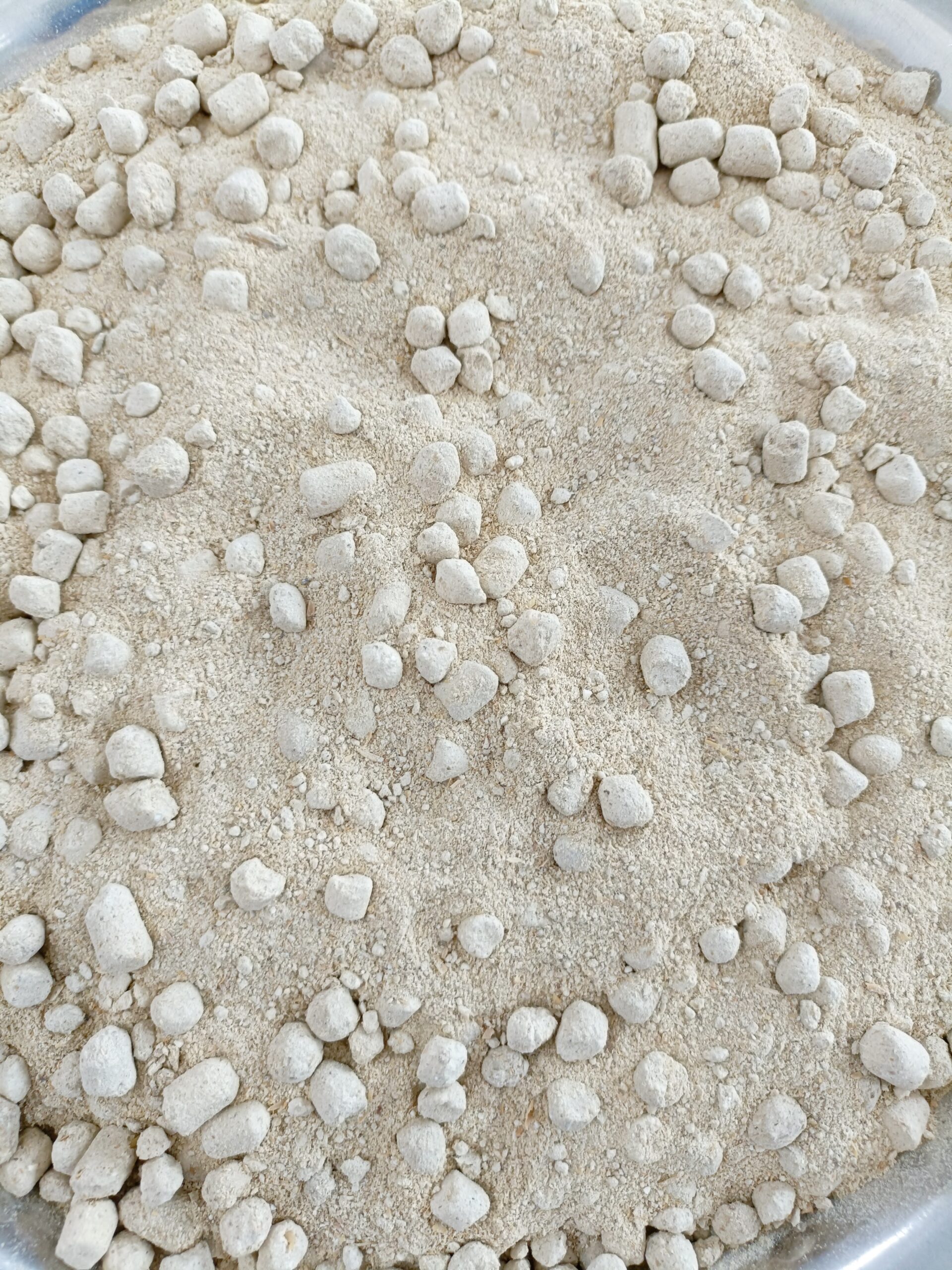
Price Volatility: Why DORB Prices Fluctuates?
In the agricultural commodity market, De-oiled Rice Bran (DORB) is notorious for its price swings. While it is a byproduct, its pricing is rarely simple. As of 2026, several interconnected factors—ranging from global logistics to domestic extraction margins—dictate the “spot price” you see on the market.
Understanding these drivers is essential for any feed plant manager or dairy farmer looking to time their procurement effectively.
1. The “Paddy Loop”: Feedstock Availability
DORB is a secondary byproduct. Its production depends entirely on the Rice Milling Industry, which in turn depends on the Paddy Harvest.
- Seasonal Cycles: During peak harvest months (Oct–Dec and April–May in major hubs like India), supply surges and prices typically soften.
- Monsoon & Climate: A poor monsoon or delayed rain reduces paddy yields. A 10% drop in paddy production can lead to an 8% drop in DORB availability, often triggering immediate price spikes of 15–20%.
2. Solvent Extraction Economics
The price of DORB is heavily influenced by the Rice Bran Oil (RBO) market.
- The Margin Game: Solvent extractors process raw bran to get two products: oil (~15–20%) and DORB (~80–85%).
- Inverse Correlation: When global vegetable oil prices (like Palm or Soy oil) rise, demand for Rice Bran Oil increases. Extractors may lower DORB prices to move volume quickly. Conversely, if oil demand is sluggish, extractors must raise DORB prices to maintain their overall processing margins.
3. Export Policies and Geopolitics
DORB is a major export commodity for countries like India, Vietnam, and Thailand.
- Ban & Lift Cycles: Government interventions frequently disrupt the market. For instance, the October 2025 lifting of India’s DORB export ban (which had been in place since 2023) caused an immediate rebalancing of prices.
- Global Competition: When a major exporter enters or exits the market, it creates a ripple effect. The resumption of Indian exports recently compressed Southeast Asian regional price spreads by 10–15%.
4. Logistics and Freight Bottlenecks
In 2026, logistics have become a primary driver of price transmission.
- The CIF Factor: Most international DORB trades are priced as FOB + Freight. Increased pressure on ports or railway corridors directly increases the “landed cost.”
- Regional Divergence: Even if the base price at the mill is stable, a shortage of trucks or a spike in shipping container rates can cause local prices in importing regions to skyrocket.
5. Substitution Pressure (The “Soy-Wheat” Gap)
DORB does not exist in a vacuum; it competes with Soybean Meal, Maize, and Wheat Bran.
- Price Parity: If the price of Soybean Meal drops, feed manufacturers switch away from DORB, forcing DORB sellers to drop prices to remain competitive.
- Energy Demand: As DORB is increasingly used in biofuel and industrial applications (projected to grow at a CAGR of 4.6% through 2033), new demand from non-feed sectors is adding a new layer of price floor and volatility.
Summary Table: Volatility Drivers
| Driver | Impact Level | Frequency |
| Paddy Harvest | High | Seasonal (Bi-annual) |
| Rice Bran Oil Demand | Medium | Monthly |
| Government Policy | Very High | Unpredictable |
| Freight/Logistics | Medium | Continuous |
| Substitute Prices | High | Weekly |
Conclusion: How to Manage the Risk
Because DORB prices are volatile, long-term fixed-price contracts or inventory buffering (storing 3–6 months of supply) are the most effective ways to shield your operation from sudden market shocks.
Are you looking to hedge against future price increases? Procuring stabilized Premium DORB allows for a 10-month shelf life, giving you the flexibility to buy in bulk when prices are low and store it safely through the volatile monsoon or off-peak months.