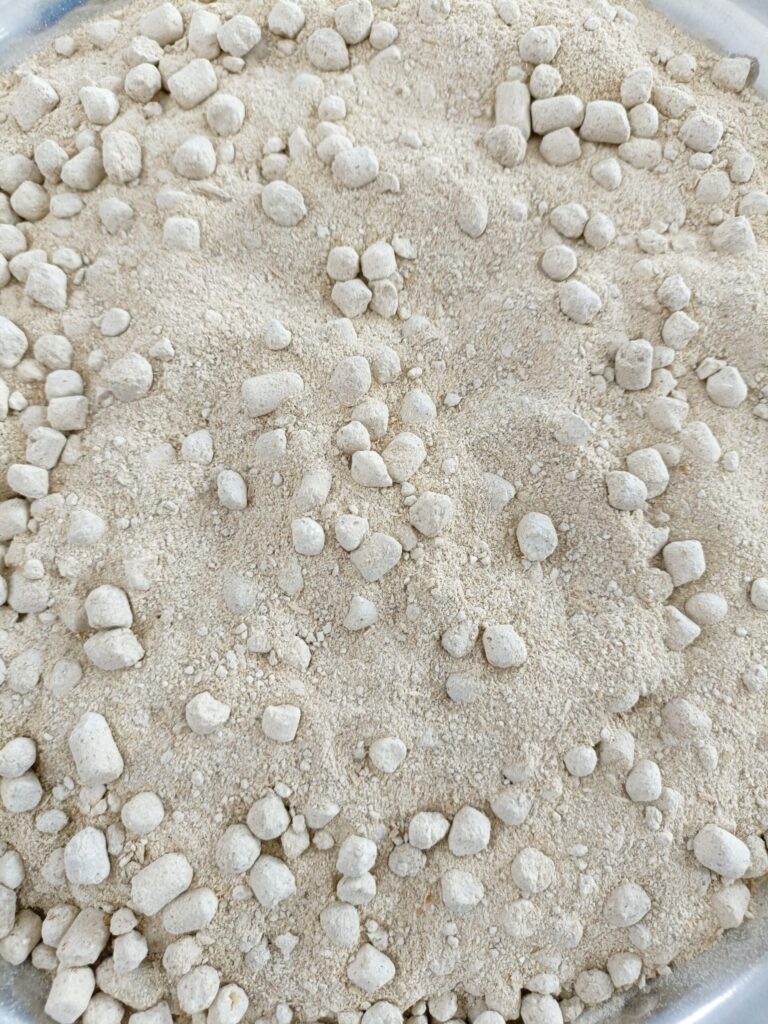
For buyers of De-oiled Rice Bran (DORB), the difference between a high-performance feed and a costly mistake lies in the quality of the raw material. Because DORB is a processed byproduct, its nutritional consistency can vary significantly between batches and suppliers.
Effective sampling is the only way to verify that you are getting the protein, moisture, and fiber levels you paid for. This guide outlines the professional protocols for sampling DORB to ensure your lab results are accurate and representative of the entire shipment.
Why Strict Sampling Protocols Matter
In the commodity trade, a “grab sample” from the top of a single bag is never sufficient. Inaccurate sampling leads to:
- Skewed Lab Results: A non-representative sample may show higher protein or lower silica than what is actually in the bulk load.
- Financial Loss: Paying premium prices for sub-standard material.
- Animal Health Risks: Failing to detect high moisture levels that lead to mold or high sand/silica content that reduces digestibility.
Equipment Needed for Professional Sampling
Before the truck or container is unloaded, ensure your quality control (QC) team has the following tools:
- Sampling Probe (Trier): A hollow tube with slots to collect material from various depths.
- Sampling Scoop: For taking increments from a moving conveyor belt or falling stream.
- Divide/Riffle: For reducing the large primary sample into a smaller lab sample.
- Airtight Containers/Bags: Moisture-proof bags to prevent the sample from drying out or absorbing humidity before testing.
- Labels and Seals: To maintain the chain of custody.
Step-by-Step DORB Sampling Procedure
1. The “Increment” Strategy
Never take just one sample. You must take multiple small portions (increments) from different locations in the lot.
- For Bagged DORB: Use the $\sqrt{N}$ rule (square root of the total number of bags). If you have 100 bags, sample at least 10.
- For Bulk Trucks: Sample at a minimum of 5 to 8 different points, including the center and all four corners, at varying depths.
2. Creating the “Composite Sample”
Collect all the increments in a clean, dry bucket. Mix them thoroughly. This mixture is known as the Composite Sample. It represents the average quality of the entire delivery.
3. Reduction (The Quartering Method)
Since a lab only needs 250g to 500g, you must reduce your composite sample without losing its representative nature:
- Pour the composite sample onto a clean, flat surface.
- Spread it into a flat circle and divide it into four equal quarters.
- Discard two diagonally opposite quarters.
- Remix the remaining two and repeat until you reach the desired lab size.
4. Sealing and Documentation
Immediately place the final sample into an airtight bag. Label it with:
- Supplier Name
- Date of Receipt
- Batch/Lot Number
- Vehicle Number
- Total Quantity Represented
Critical Quality Indicators to Watch For
When you send your sample to the lab, ensure they are testing for these specific “Make or Break” parameters:
| Parameter | Standard Range (Premium) | Why it Matters |
| Crude Protein | 15.0% – 16.0% | Primary driver of milk production and growth. |
| Moisture | 10.0% – 11.0% | Anything over 12% risks mold growth and heating. |
| Sand/Silica | < 3.0% | High silica indicates contamination; it has zero nutritional value. |
| Crude Fiber | 9.0% – 11.0% | Essential for rumen function, but too much indicates hulls. |
Red Flags During Physical Inspection
While waiting for lab results, your receiving team should look for these immediate warning signs:
- Clumping: Indicates high moisture or poor storage conditions.
- Dark Color/Burnt Odor: Suggests overheating during the solvent extraction or drying process, which damages protein bypass value.
- Excessive “Husk” Visibility: Suggests the DORB has been adulterated with ground rice hulls to increase weight.
Conclusion: Protect Your Investment
A shipment of DORB is only as good as the sample that proves its worth. By implementing a standardized sampling guide, you hold your suppliers accountable and ensure that your livestock receive the exact nutrition required for optimal performance. Don’t leave your feed quality to chance. Train your warehouse team on these protocols today to secure your dairy’s profitability for tomorrow.